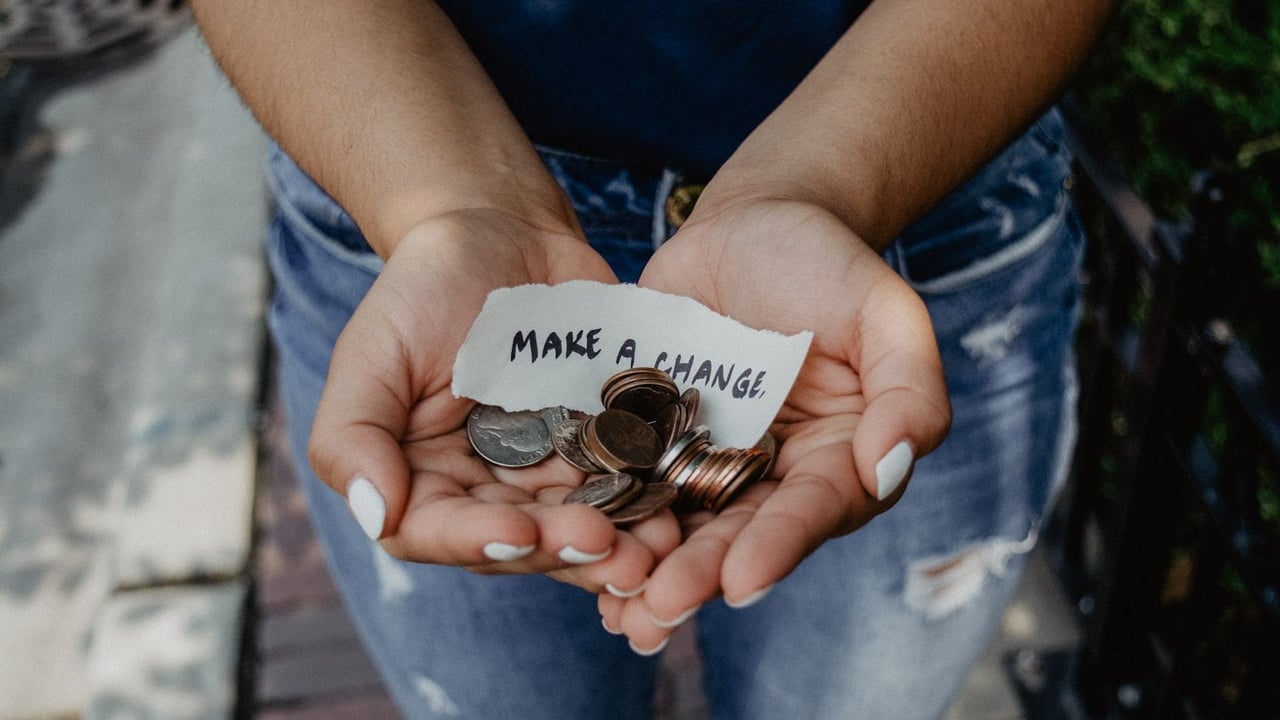
Local partnerships often create value that is obvious to the people involved but difficult to describe later. At the same time, asking a small charity to produce a bespoke report for every business can redirect scarce time away from its purpose. CommonGood is designed around a shared, proportionate record.
Begin with what was agreed
A request records the need, scope and expected completion. When a business claims it, both sides can clarify details before work begins. That initial context matters: a photograph or number on its own cannot show whether the original need was met.
Ask both sides to confirm completion
The business can attach concise proof, and the organisation can confirm whether the work was completed. This does not replace evaluation, safeguarding records or financial controls. It creates a basic shared account that is harder for either party to overstate later.
Use recognition carefully
Points and certificates can make contribution visible and motivate continued participation. They should recognise verified activity, not claim that every hour or donation produces the same outcome. Our longer-term reporting will keep activity, estimated value and partner-described outcomes distinct.
- Community organisations retain their voice in describing the result.
- Businesses receive a consistent record without requesting unnecessary beneficiary data.
- Corrections remain part of the record so trust is more important than a perfect total.
Sources and further reading
- Charity Commission: Internal financial controls for charities — official guidance on accountability and records in charities
- ICO: Data protection principles — principles informing proportionate handling of personal data
- UK Government: Social Value Model — a reference point for outcomes and reporting in central government procurement